

Once you hold a 40 km/h cruise long enough, you learn the fundamental rule of aerodynamics: aerodynamic drag increases with the square of speed, but the power required to overcome it increases with the cube. Every marginal drop in your CdA (Coefficient of Drag × Frontal Area) translates continuously into speed above 30 km/h. And this drag is not distributed evenly—the vast majority comes from the rider's body, not the bike frame or the wheels.
This is why pro teams treat a jersey as critical performance equipment. Today, we are breaking down exactly where the wind holds you back, and what a jersey can do about it.
Relentless Iteration: Smooth, Silent, Secured The Darevie Aero Series didn’t skip the validation phase. We test on real roads. Prototypes are put to the test exactly where it matters: long-distance cruising, crosswind sectors, and out-of-the-saddle sprints. We watch if the sleeves flutter at high speeds, if the hem creeps up, and if the fit holds its exact position after hours in the saddle.
Wherever a flaw appears, we refine the cut. We filter fabrics zone by zone, reposition seams, and rework cuffs and hems time and again. Prototype, road test, tweak, and repeat—until every surface interacting with the airflow is flat, silent, and locked in place. The point of obsessing over watts is compound interest: at race speeds, every watt saved on drag pays dividends every kilometer of the season.
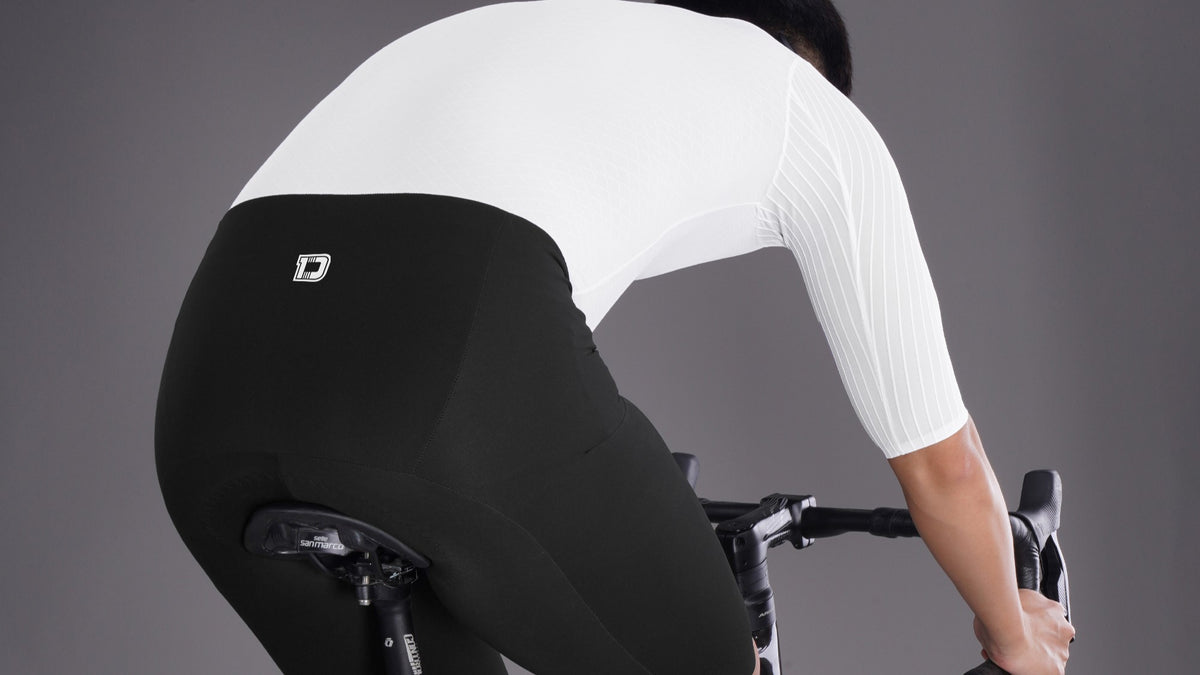
Where Drag Originates
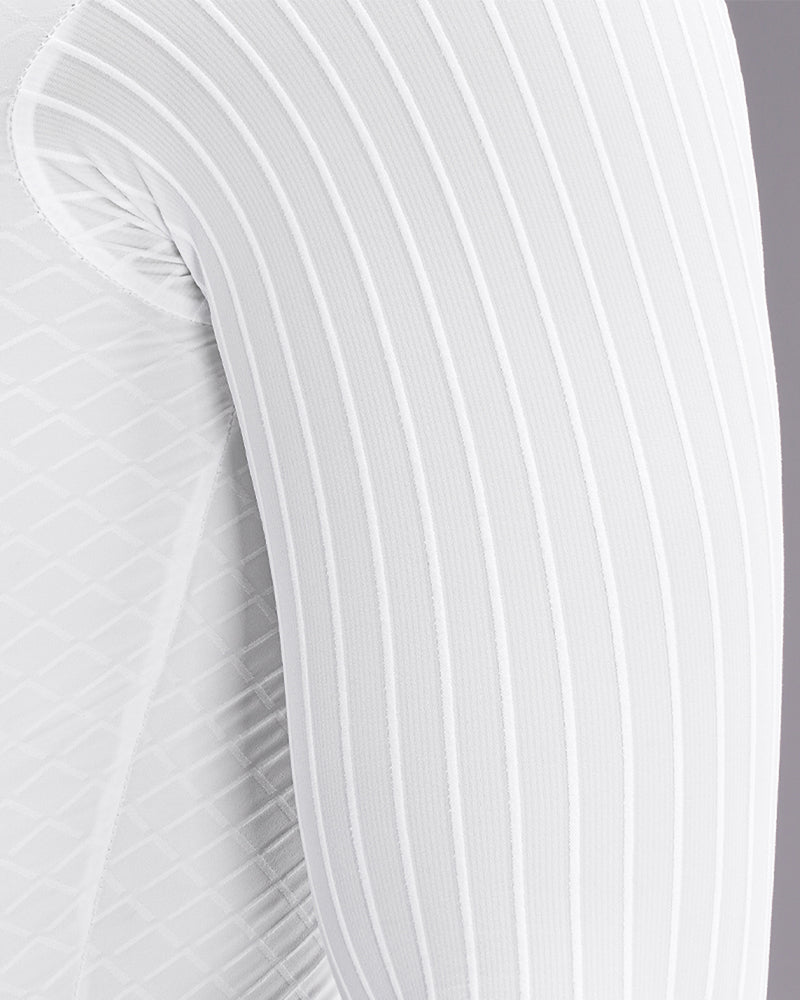
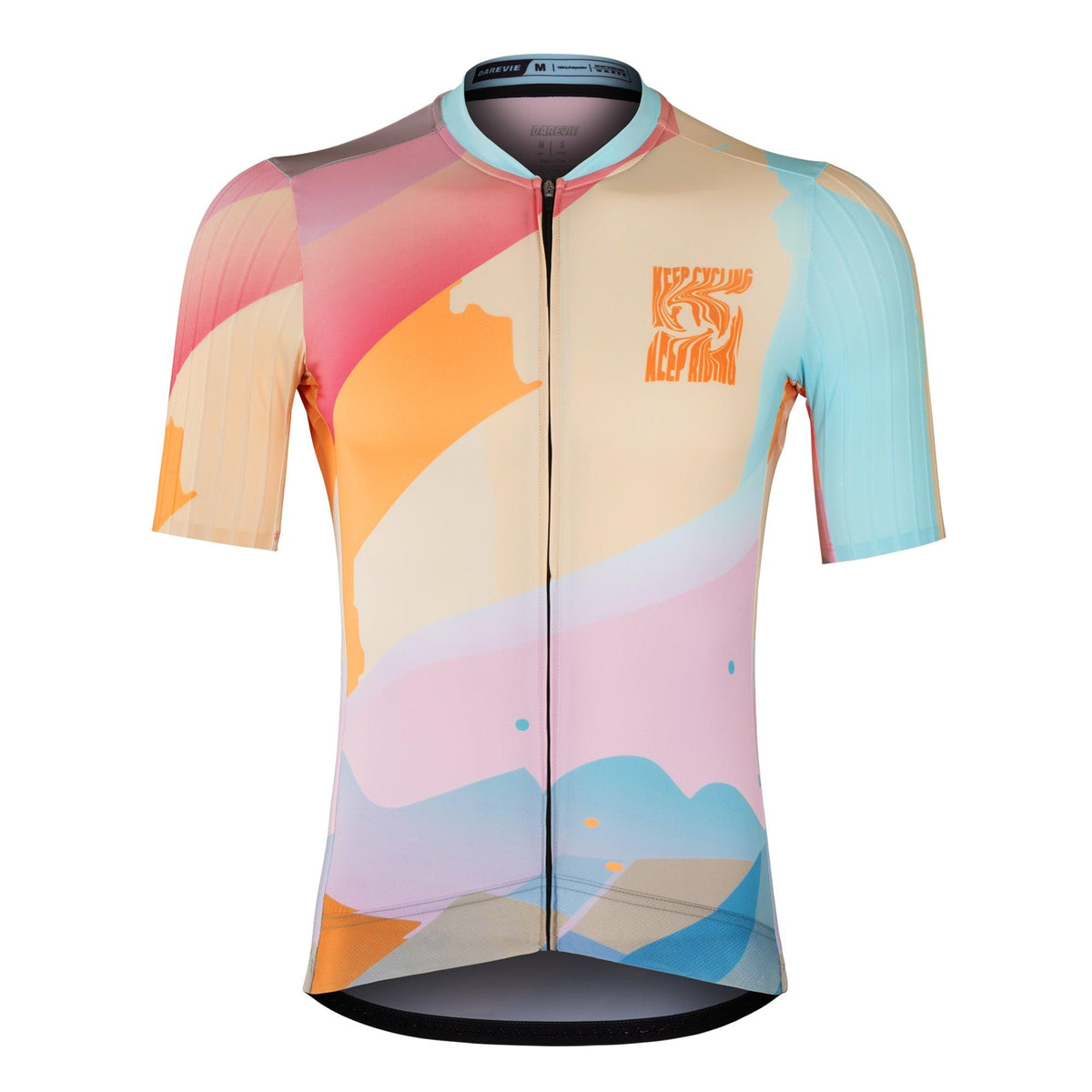
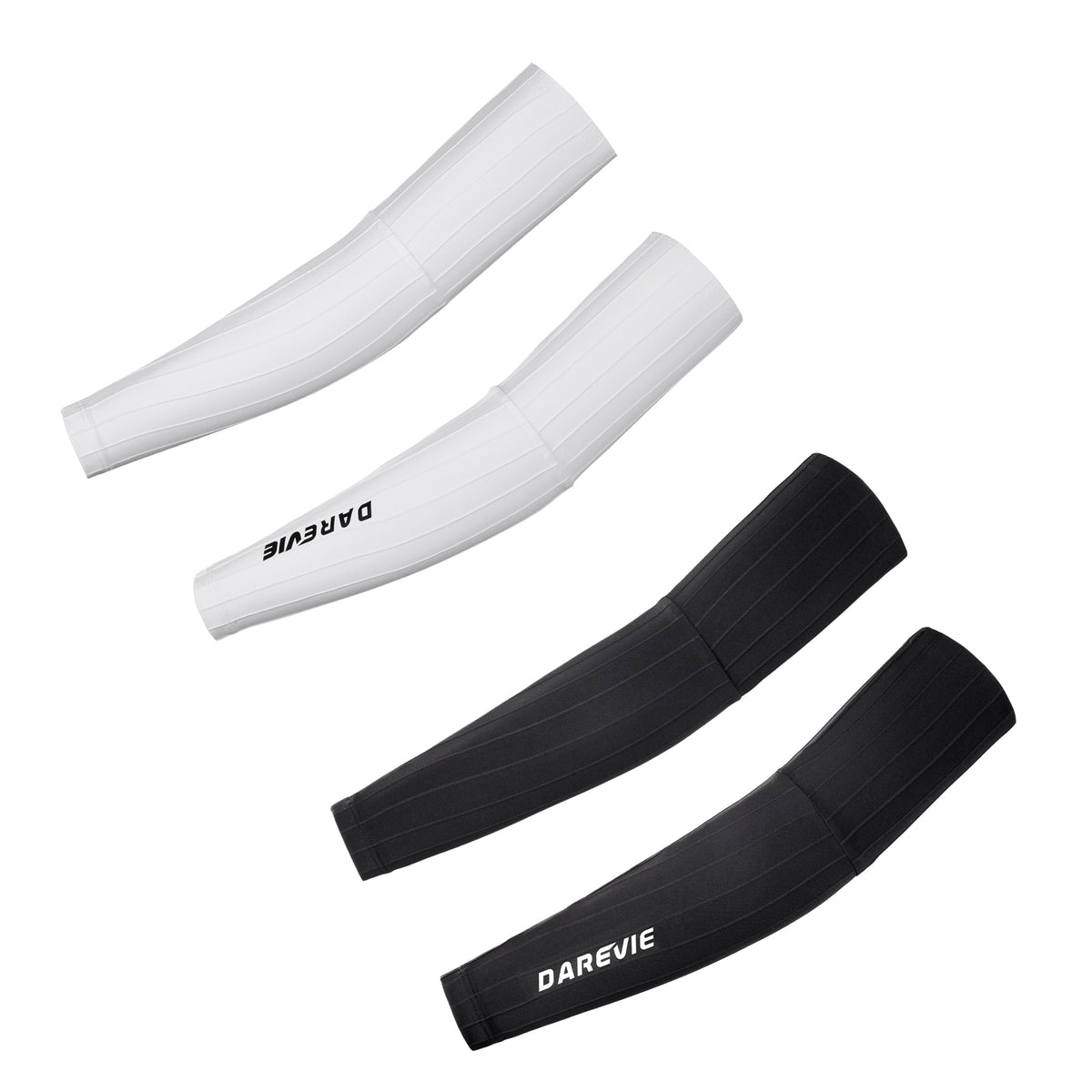
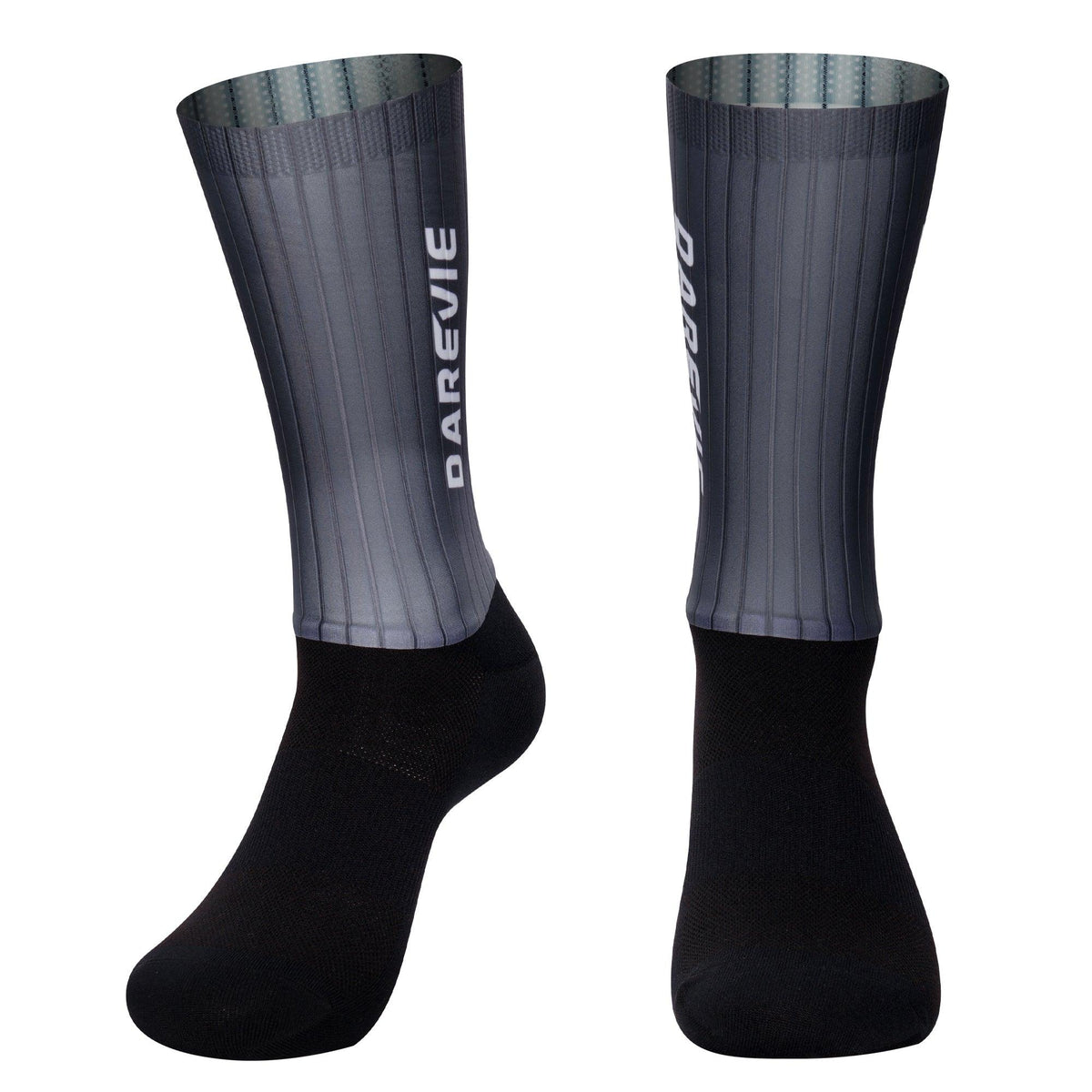
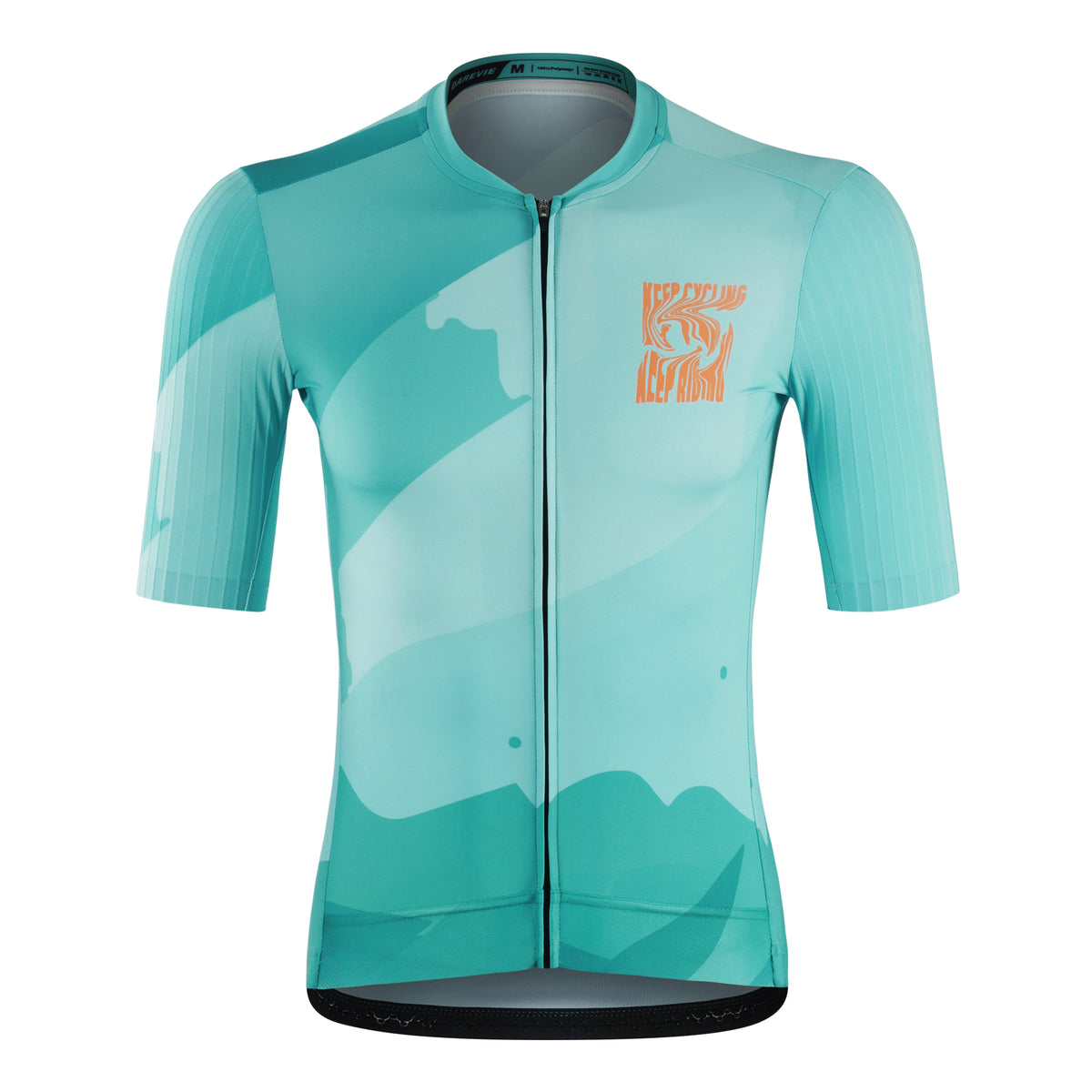
1. The Stripes on the Sleeves Are Intentional. Out on open roads, crosswinds hit your arms from every angle. Your arms are cylindrical and constantly moving, making them the prime location for airflow separation, which leaves a low-pressure wake behind you. The ribbed texture on our aero sleeves does one specific job: it trips the boundary layer into turbulent flow earlier. Turbulent air clings to the surface longer, shrinking the wake and sharply reducing pressure drag. Peer-reviewed wind tunnel studies show this specific fabric structure reduces drag by approximately 3.9% compared to a standard jersey. It sounds small on paper, but at race speeds, single-digit percentages are absolute gold.
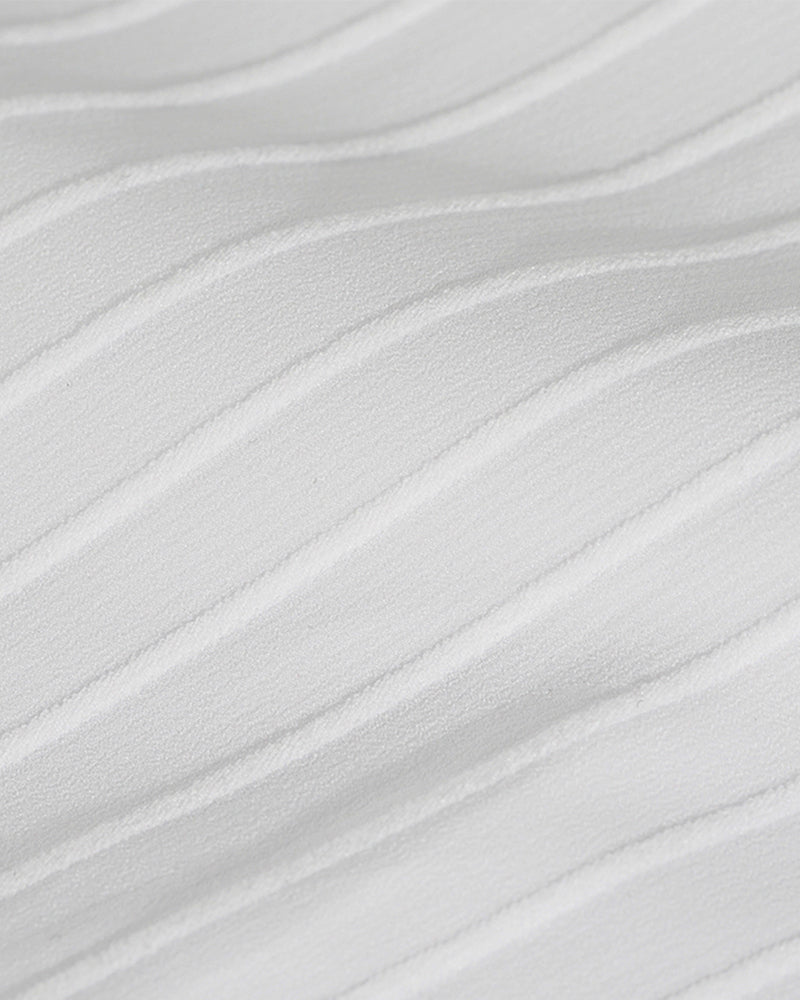
2. Fit is Aerodynamics. Every wrinkle provides a surface for the wind to grab. Flutter is drag. This is where woven stretch fabrics prove their worth: dimensional stability. Under continuous wind load, they do not deform, sag, or shift. Even after hours of riding, the cut maintains its engineered shape. Heat-bonded seams, laser-cut cuffs, and silicone grippers exist to do one thing perfectly—keep the fabric entirely static against your body at high speeds. Public tests confirm the magnitude: at 40 km/h, the difference between a form-fitting and a loose garment is roughly 10–15 watts.
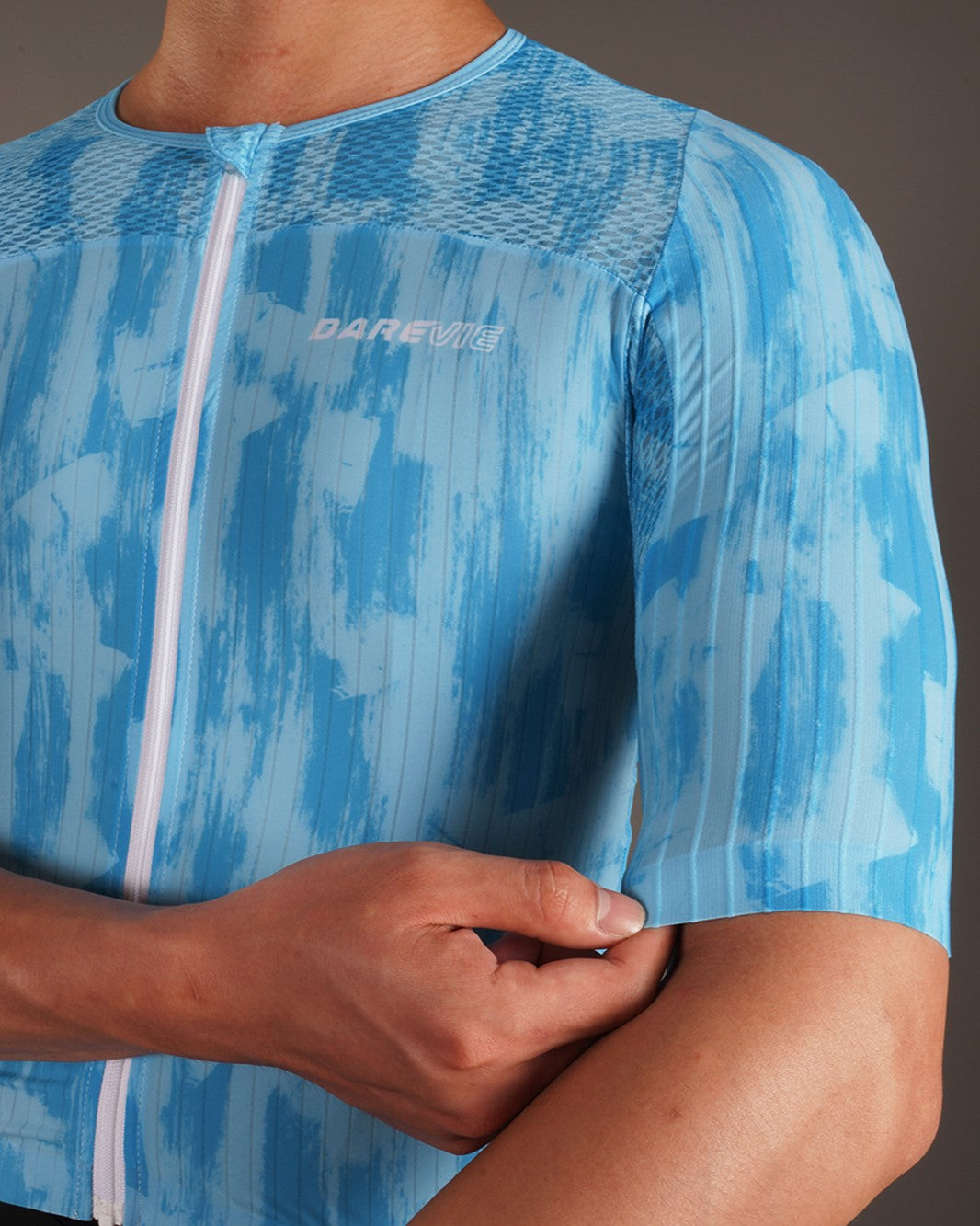
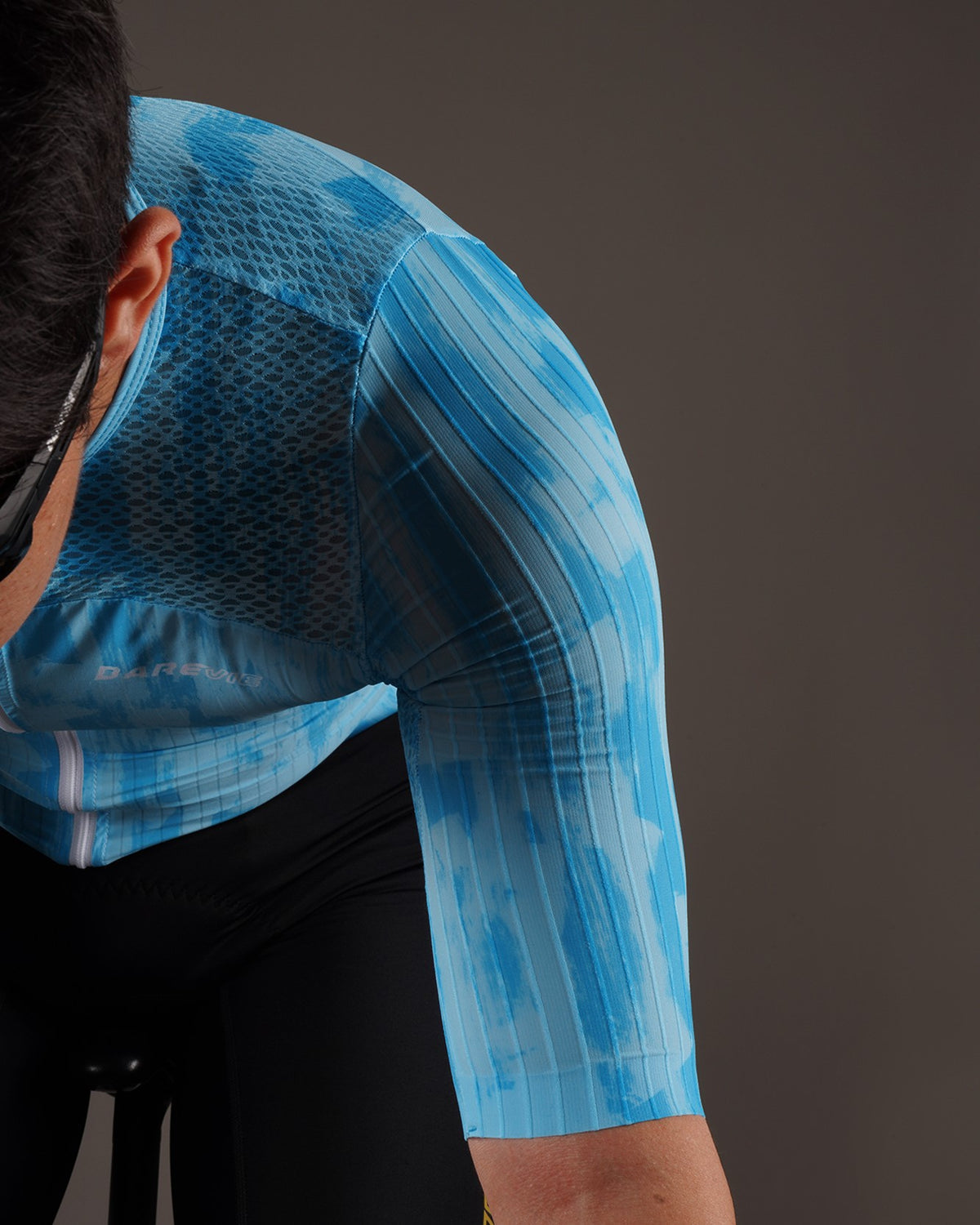
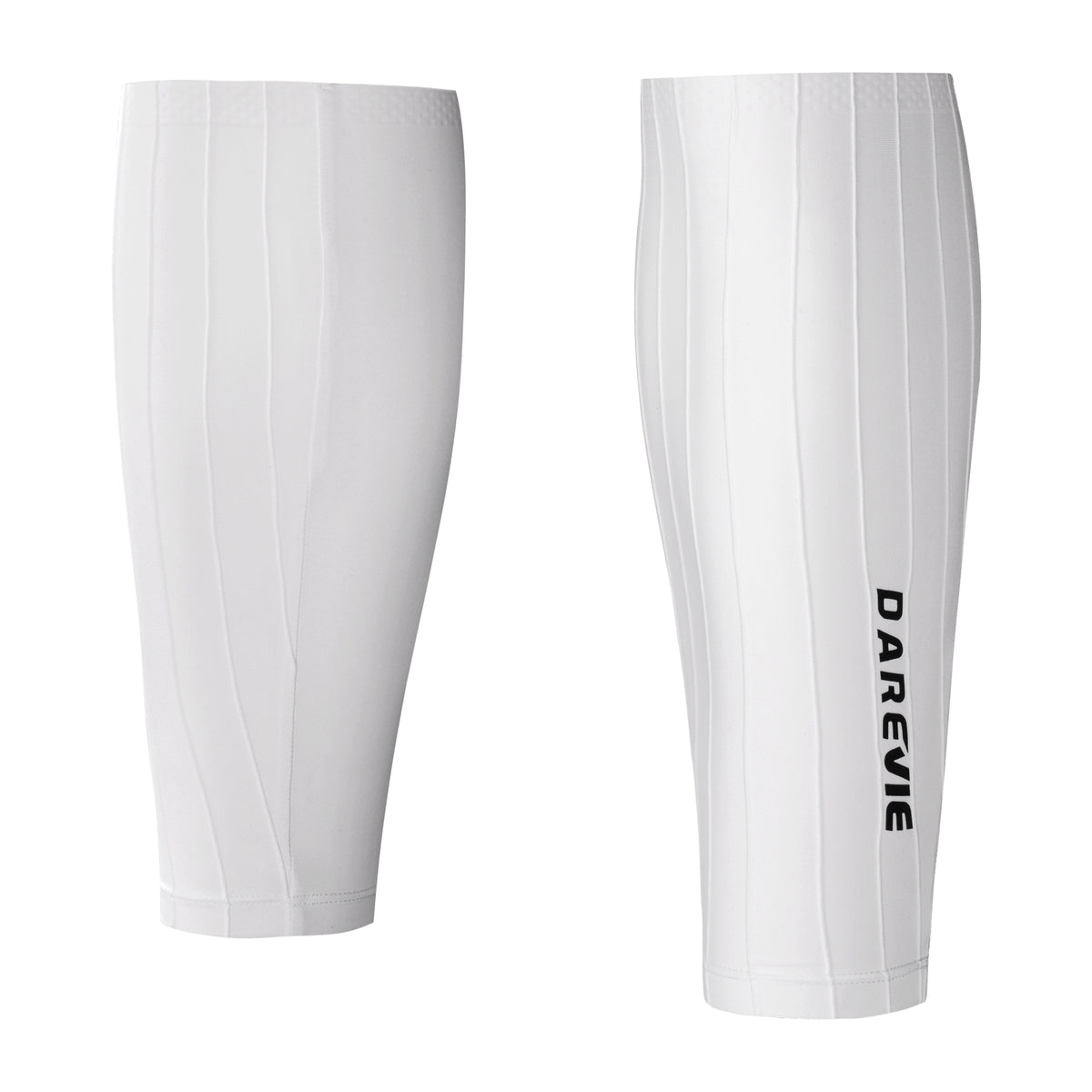
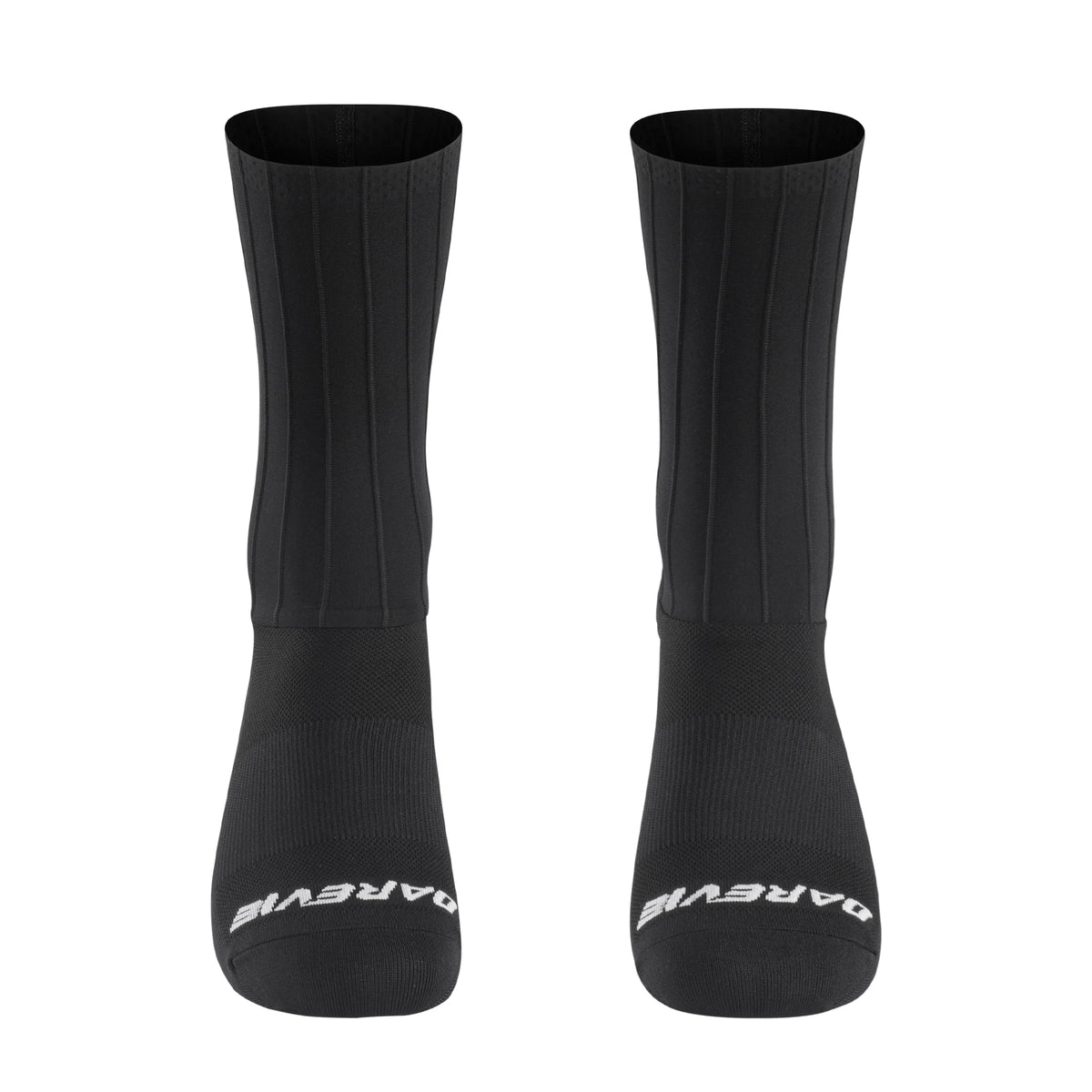
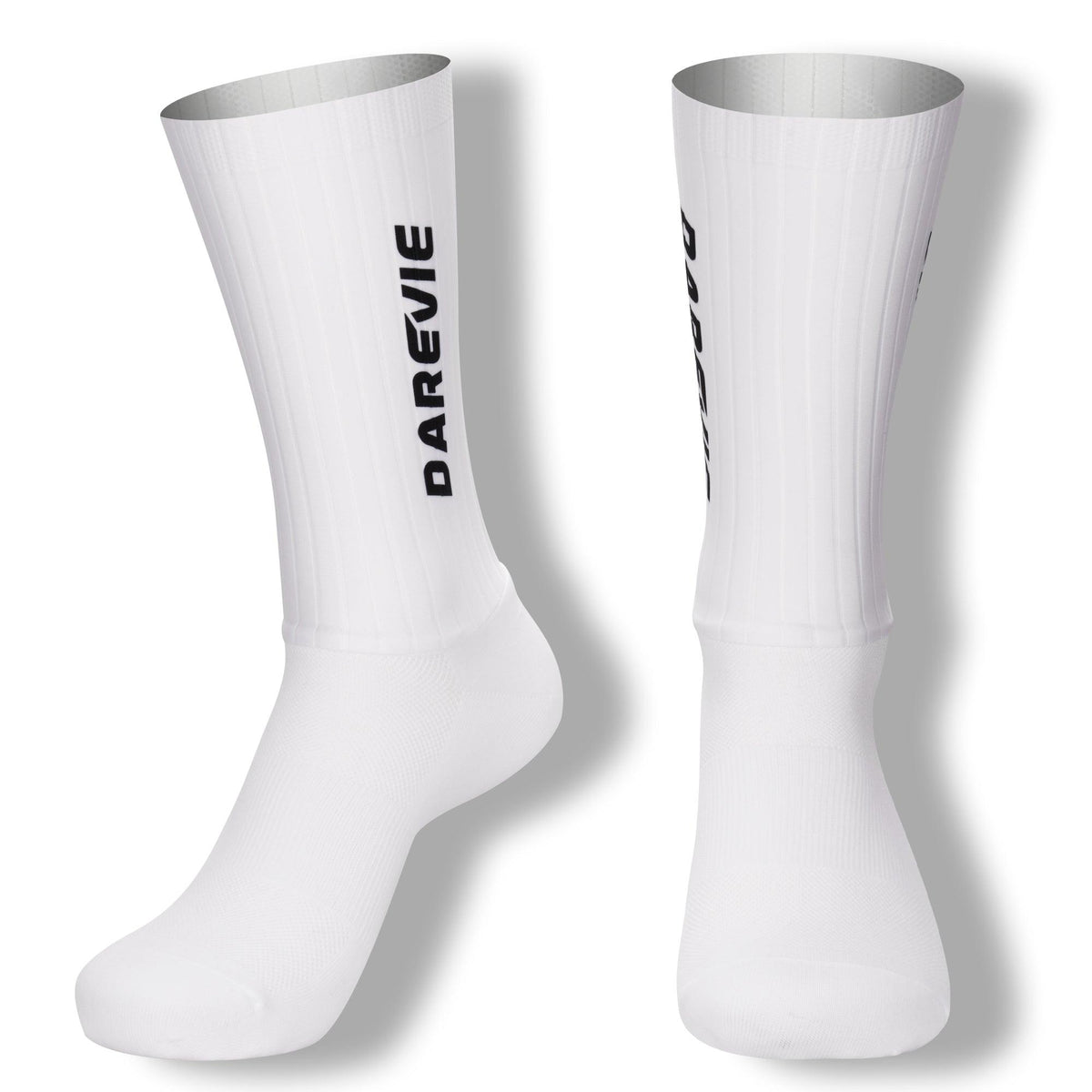
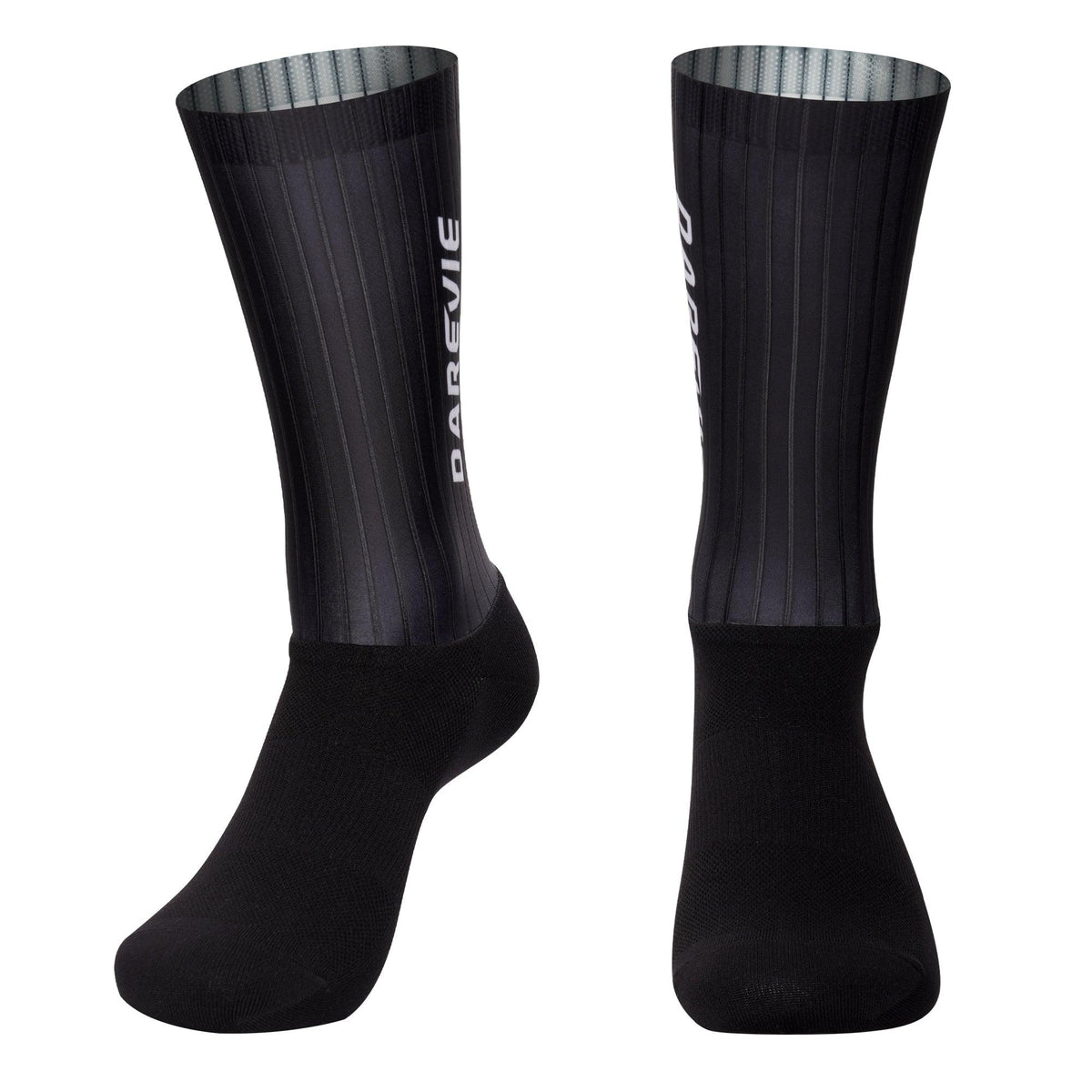
The Darevie Aero Series Every curve we measure and every piece of feedback our riders provide ultimately distills into a few simple design principles. The Darevie Aero Series brings these principles into your daily training and race day kit. Every surface touching the wind is now working for your speed.
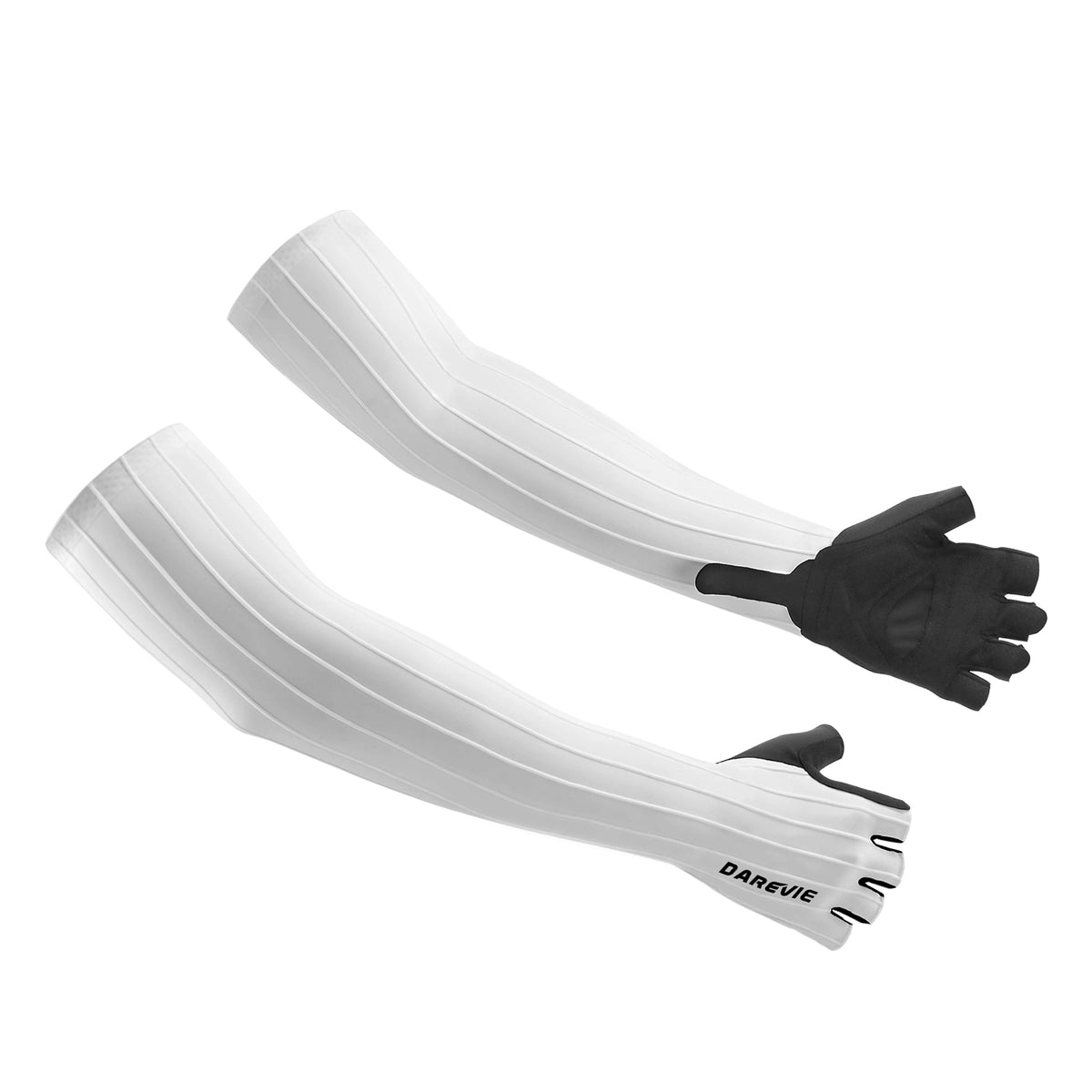
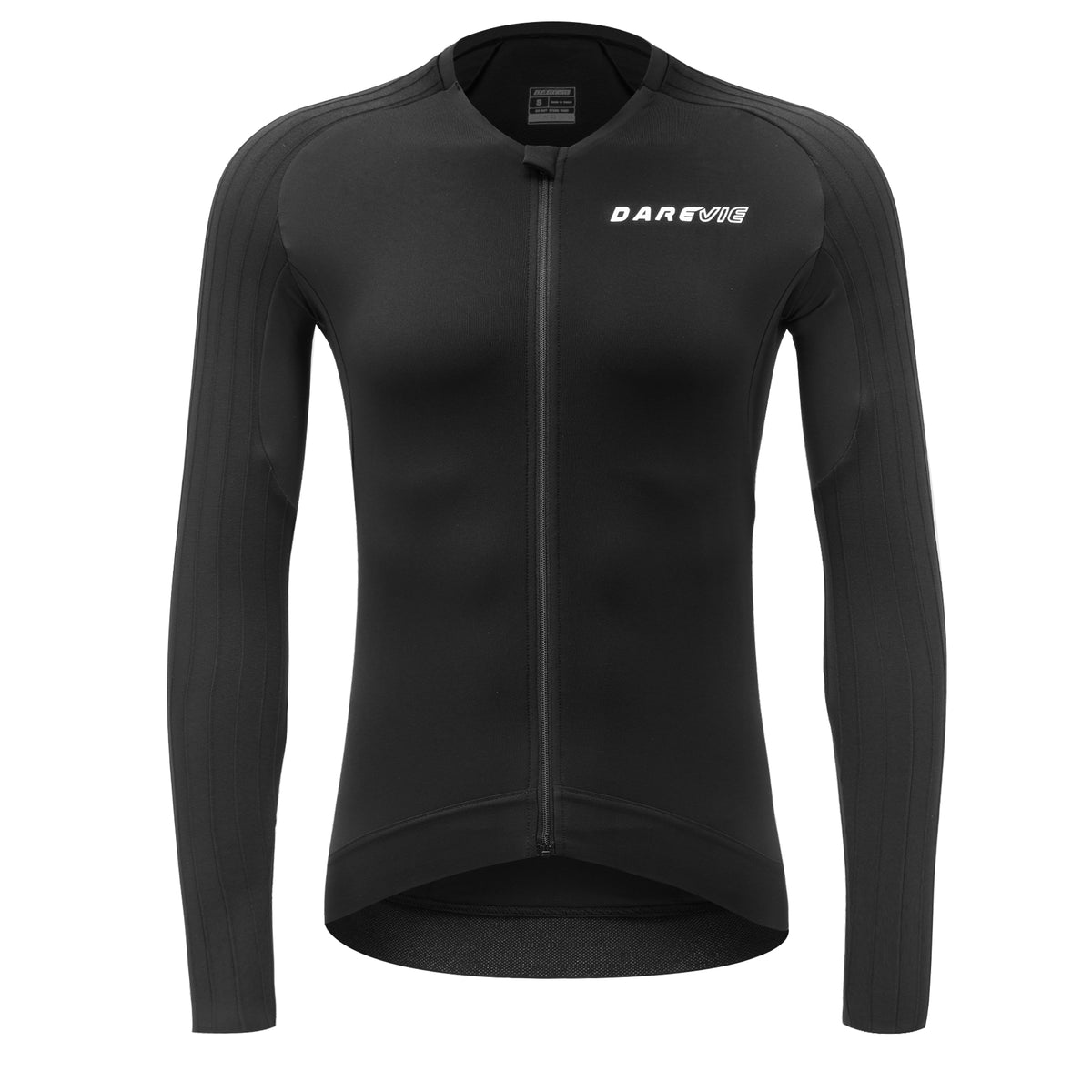
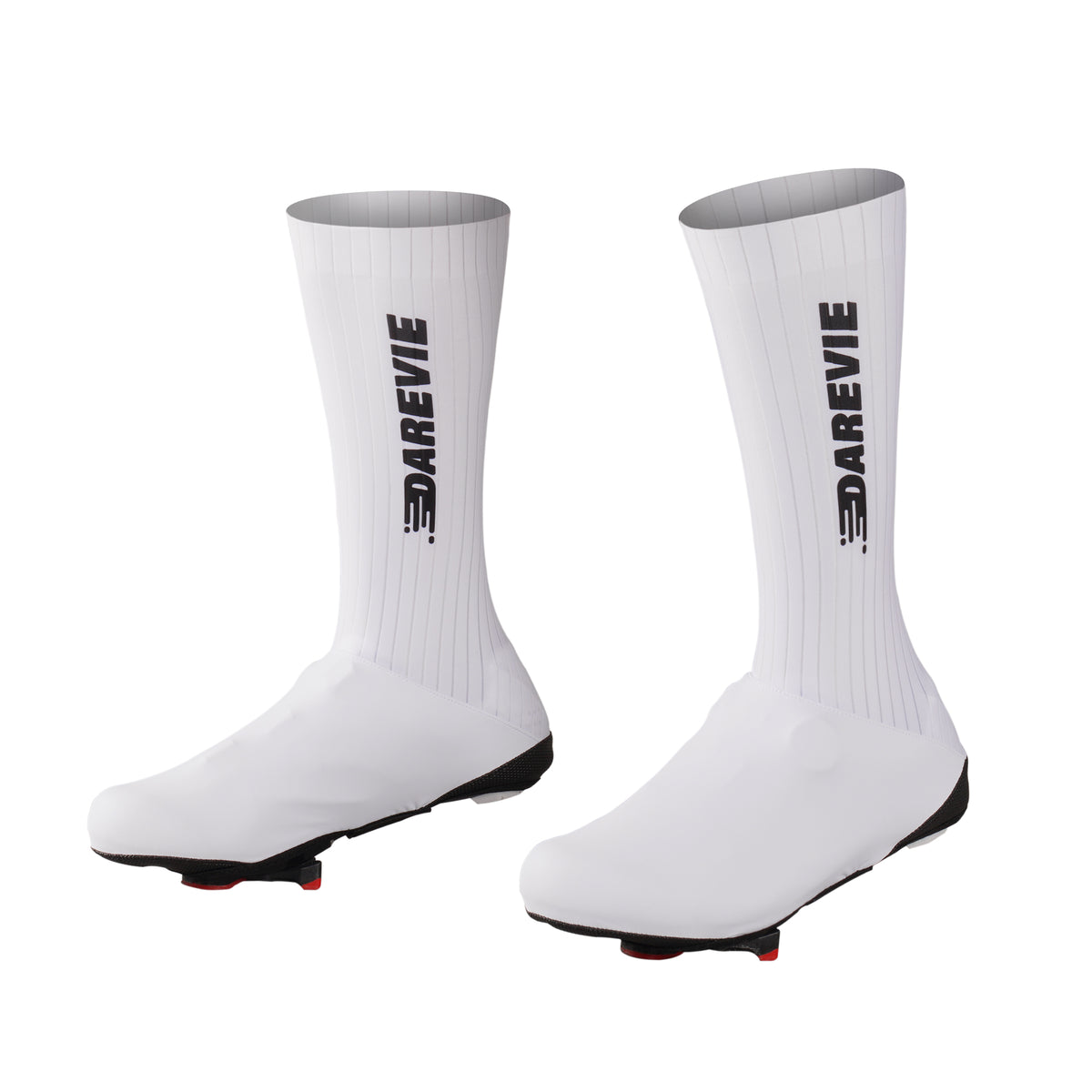
$37,40 USD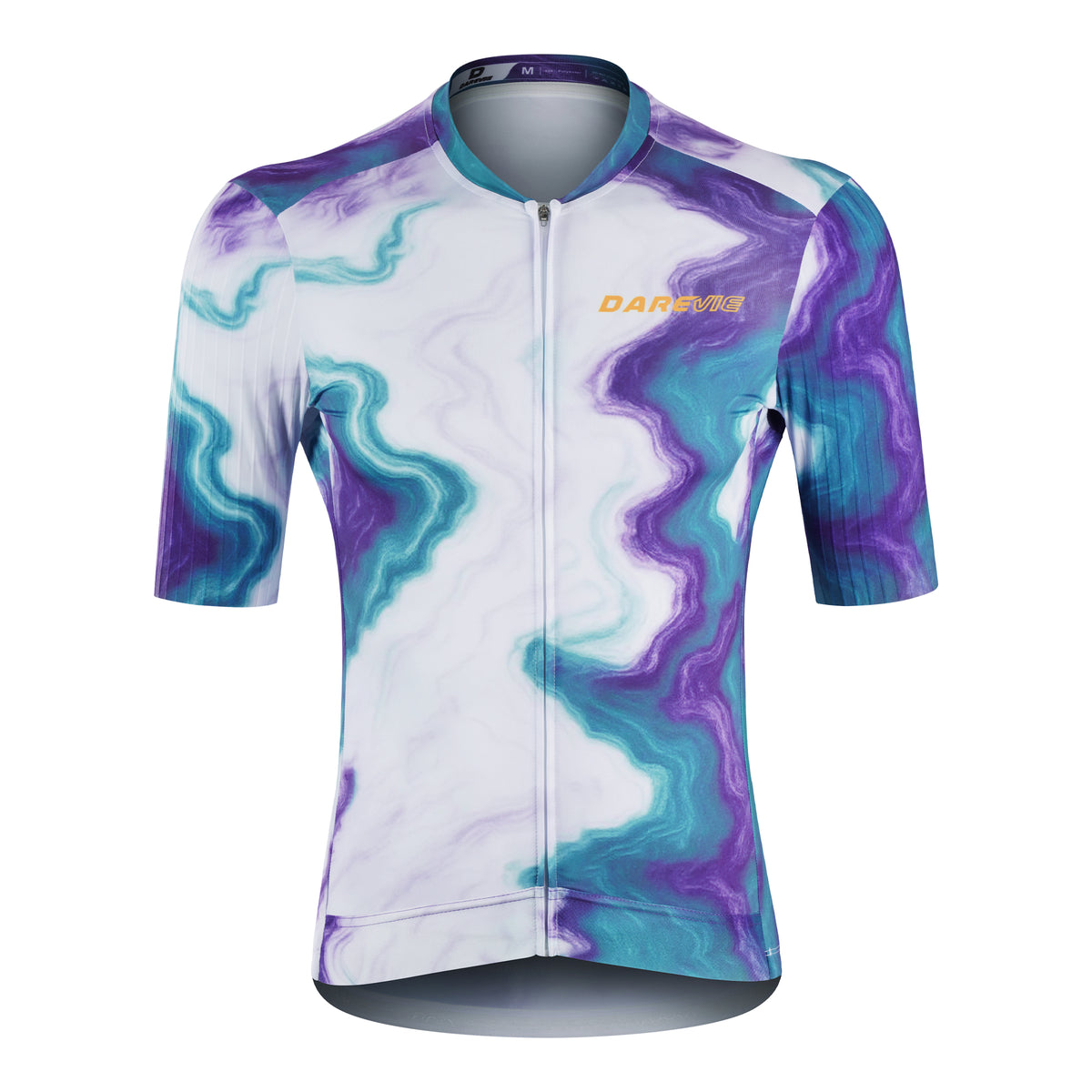
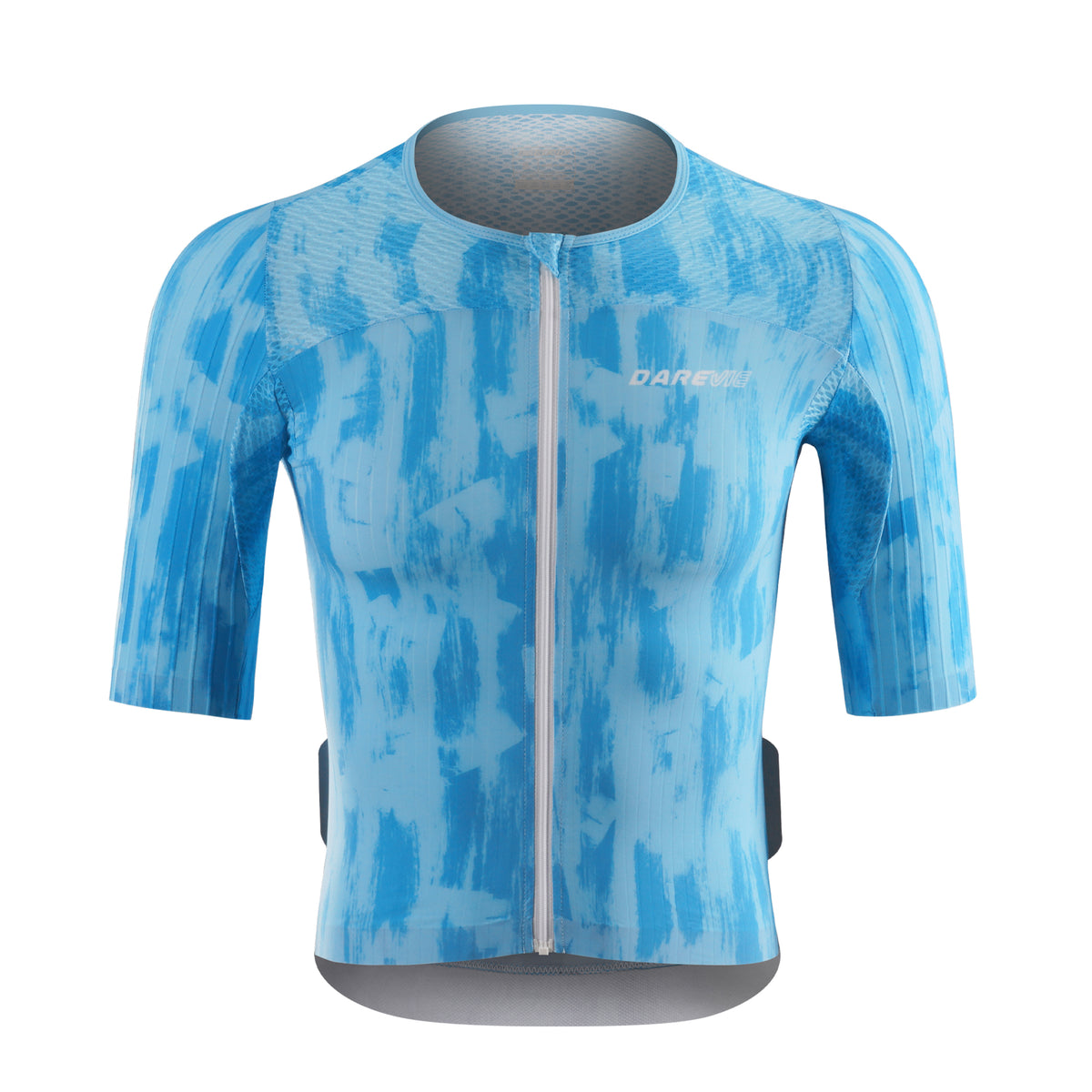
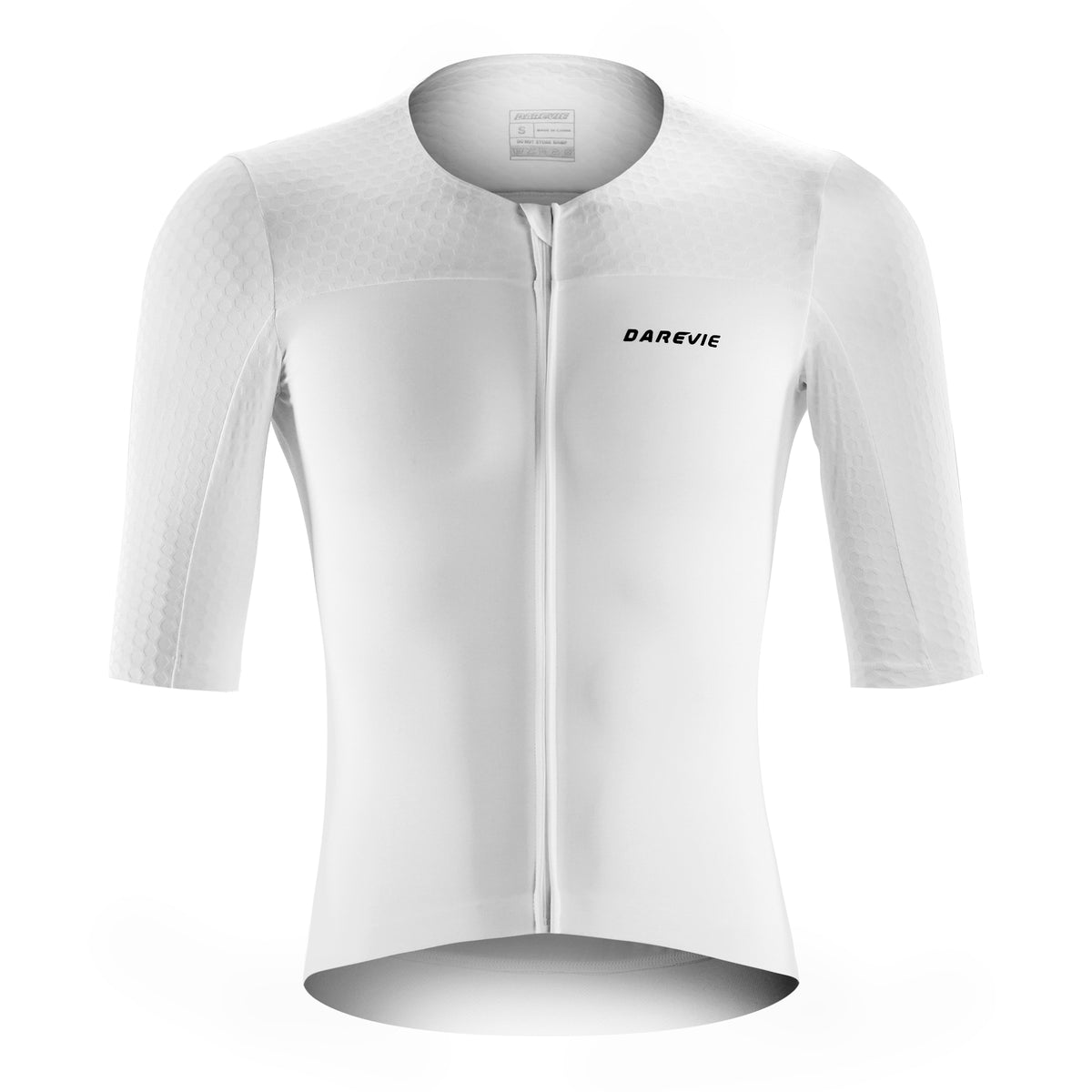
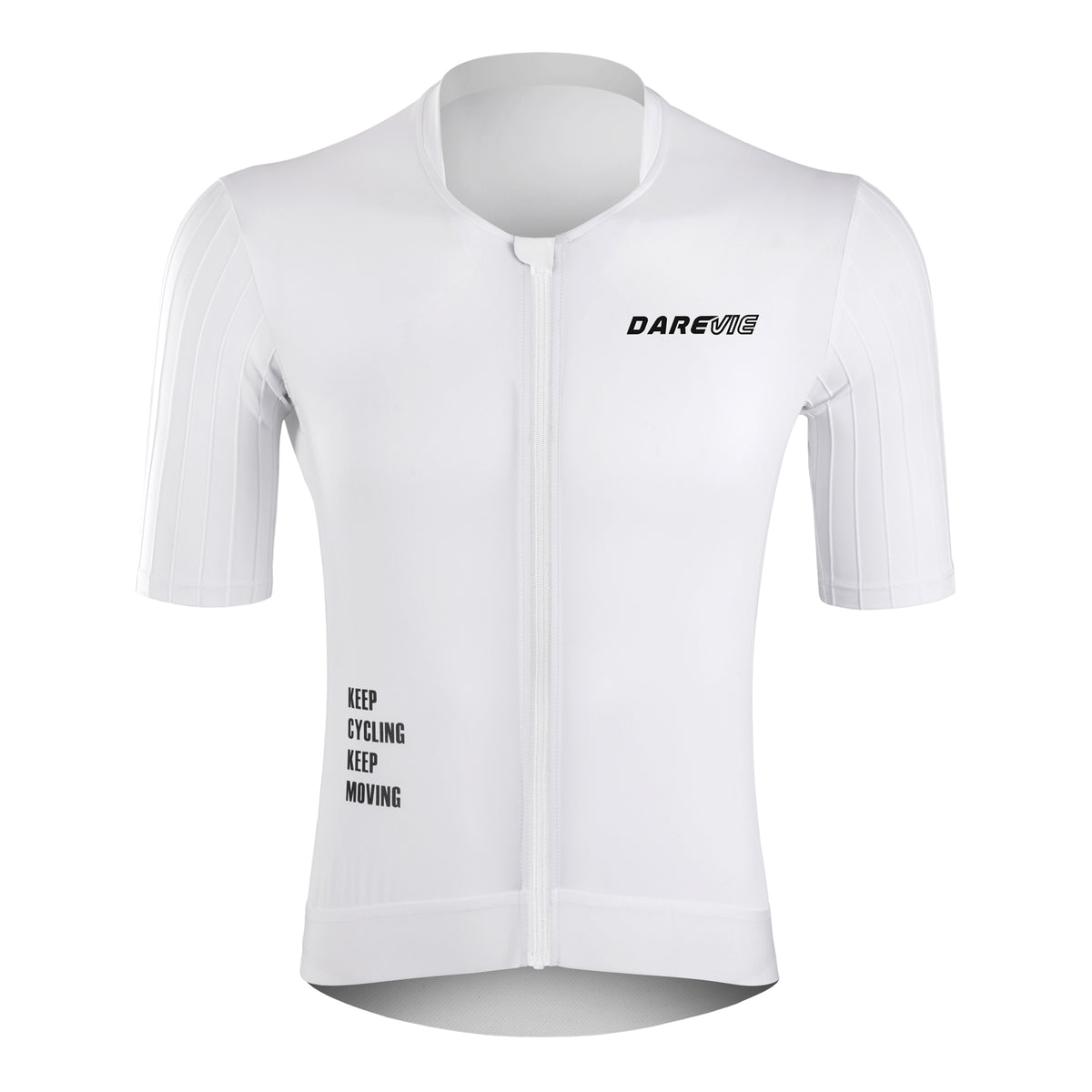
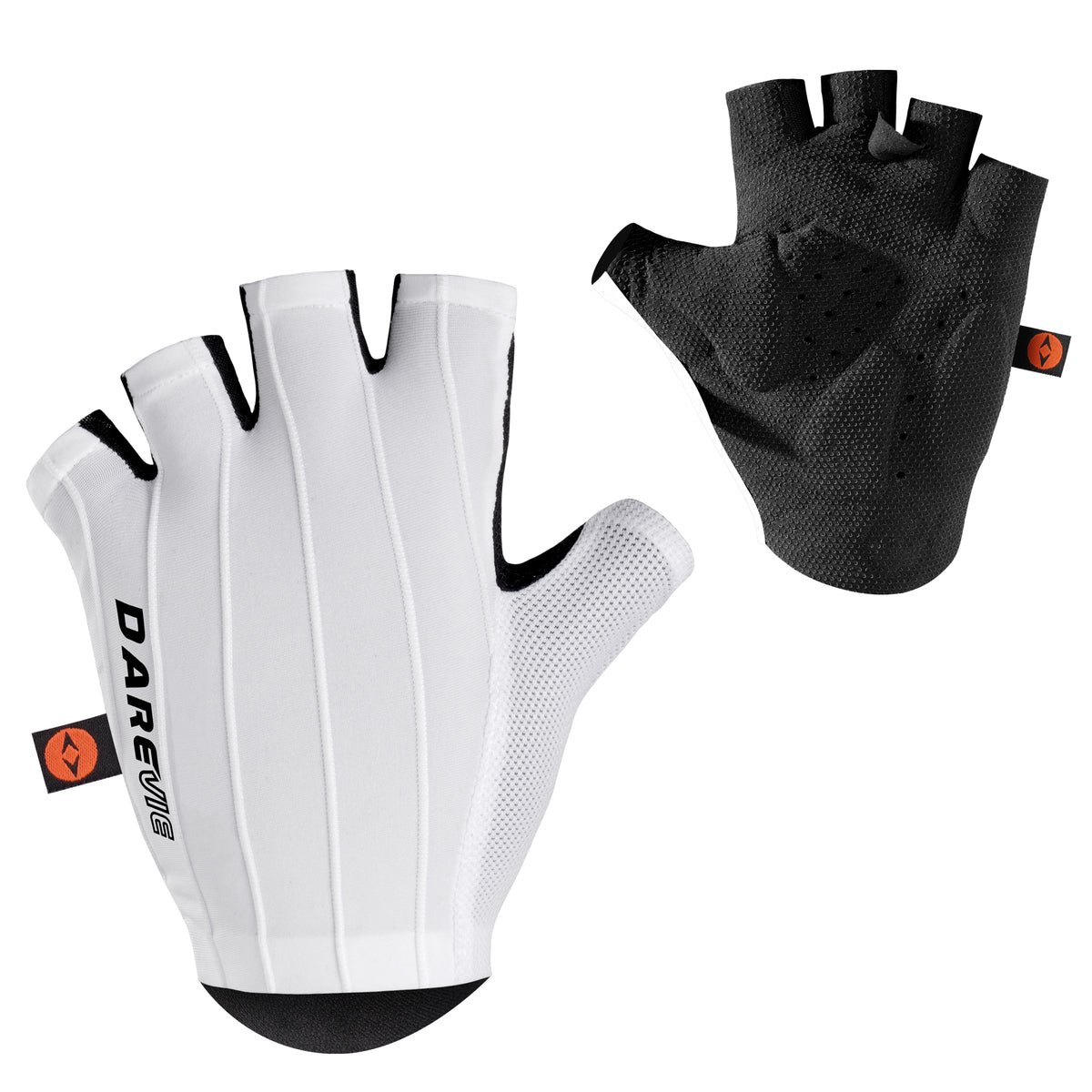
$82,50 USD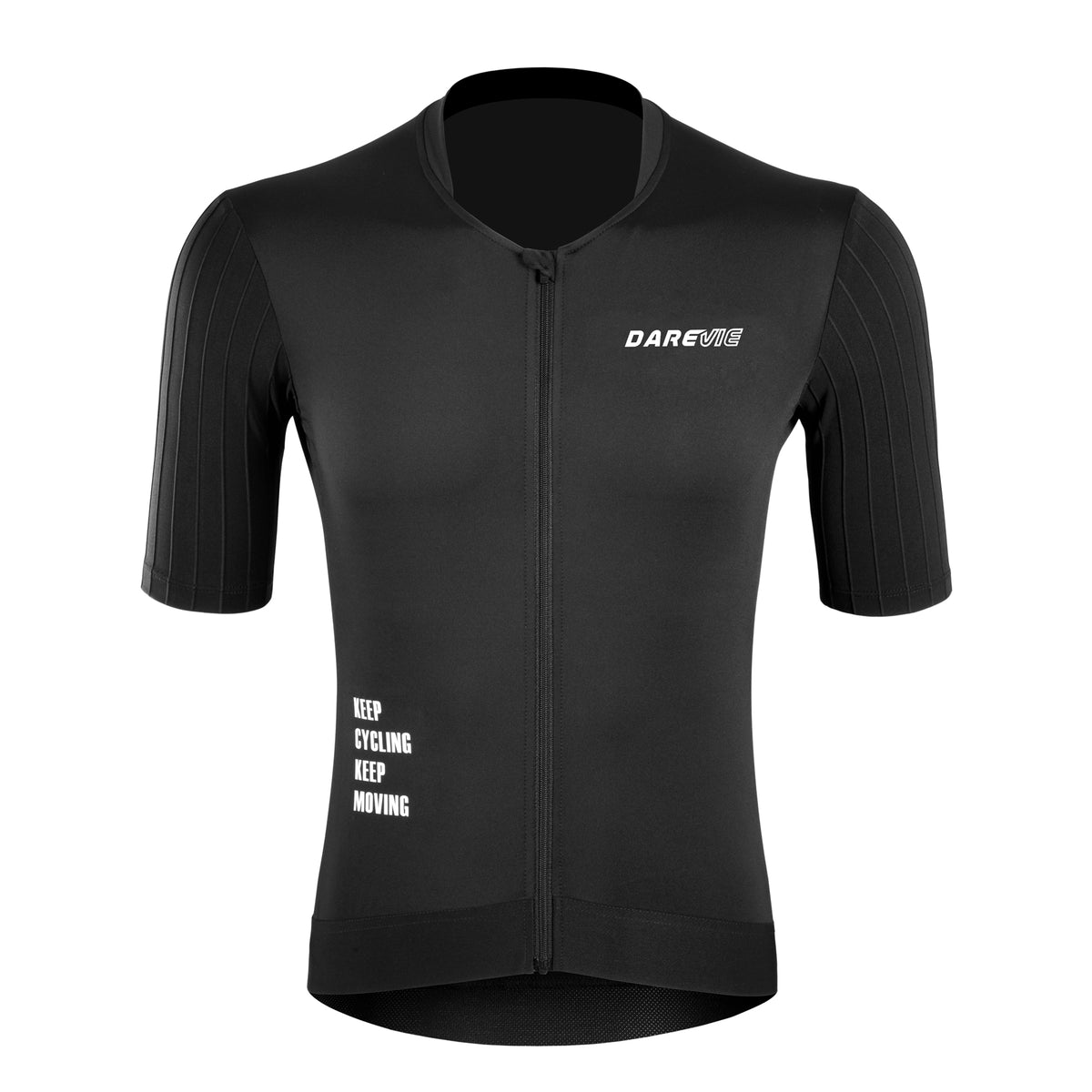
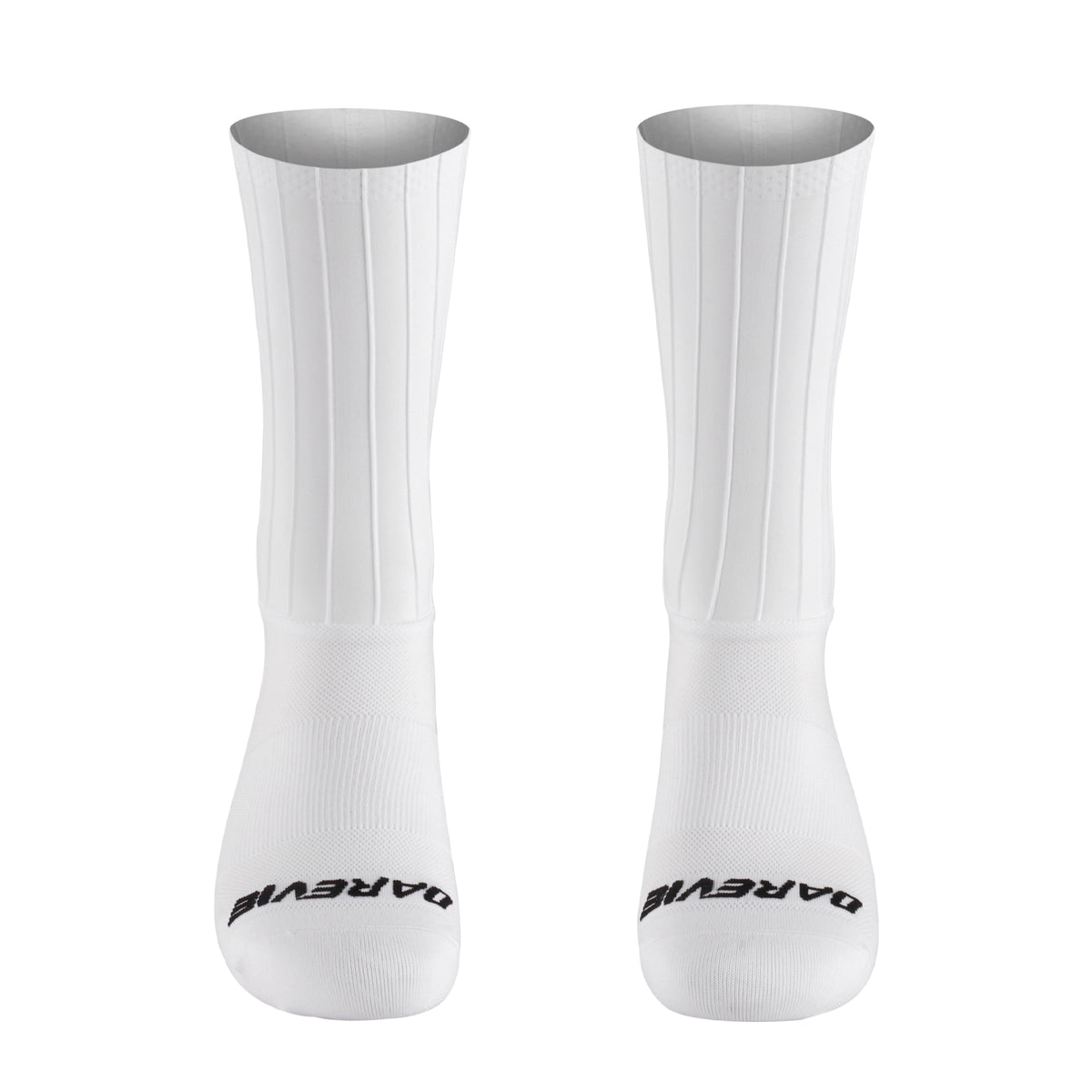
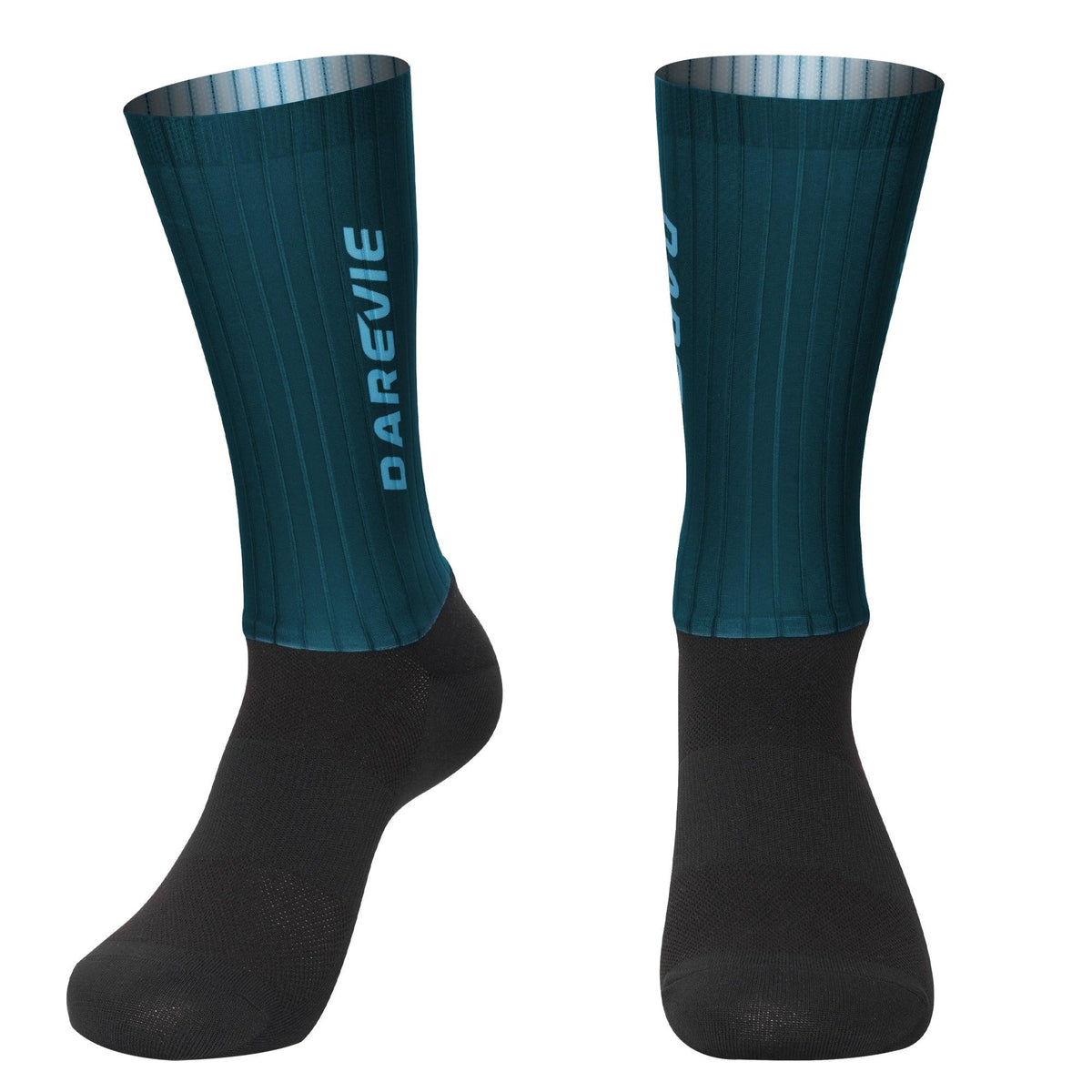
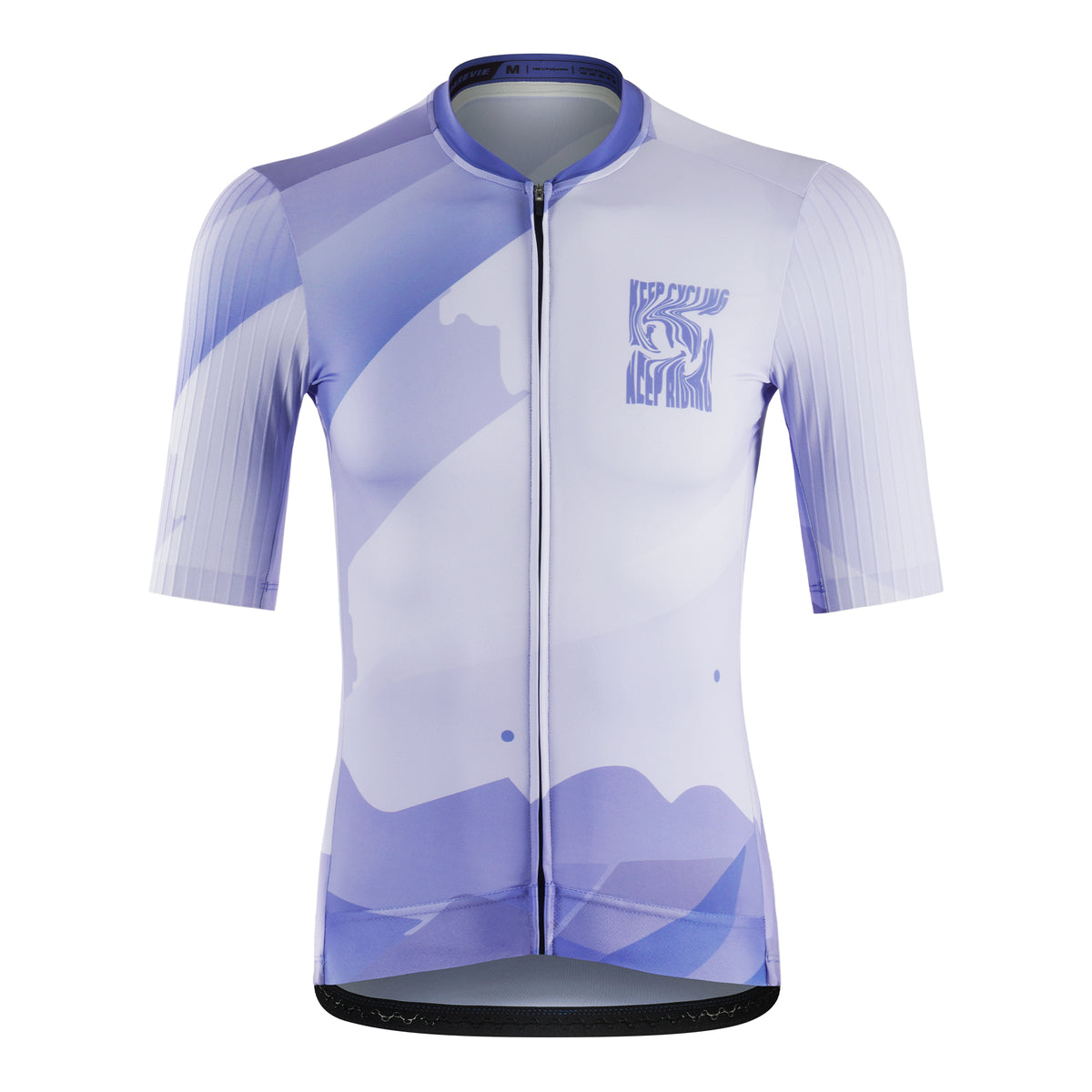
Aerodynamics isn't about who wears the most expensive kit; it’s about understanding exactly where the wind catches you and managing those surfaces one by one. The next time you hit a block headwind, you'll feel the difference.
Darevie. Defeating drag, watt by watt.